
Pure oxygen, under pressure
Hyperbaric Oxygen Therapy
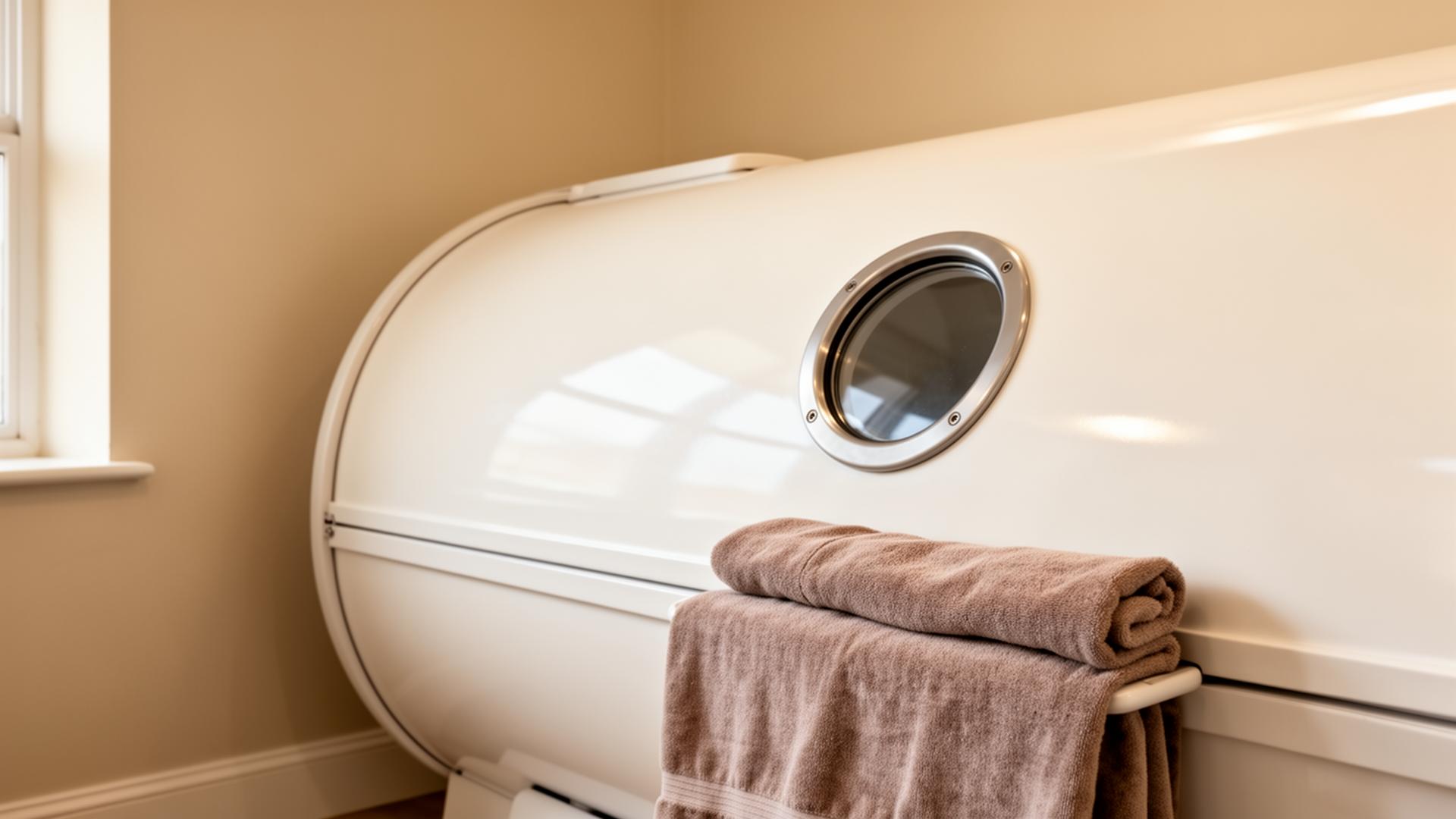
Hyperbaric Oxygen Therapy (HBOT) saturates the bloodstream with pure oxygen inside a pressurised chamber, delivering it deep into healing tissues. The evidence in cosmetic surgery is striking: faster wound closure, less bruising and swelling, and a measurable impact on the biology of ageing.
The science of oxygenated healing
Maintaining tissue oxygen pressure above 30 mm Hg is essential for repair. HBOT raises plasma oxygen far beyond what normal breathing can achieve, driving angiogenesis, fibroblast proliferation, collagen synthesis and edema reduction, while suppressing anaerobic infection.
Accelerated post surgical recovery
Published clinical evidence shows dramatic reductions in healing time after facelift surgery (13.3 vs 36.9 days) and low complication rates across abdominoplasty, liposculpture and breast surgery when HBOT is incorporated into the recovery protocol.
Rescue therapy for complications
HBOT is a recognised intervention for threatened tissue: vascular occlusion after dermal filler, compromised flaps and grafts, deep soft tissue infection and ischaemic wounds. Early referral matters; we coordinate with your surgeon to act quickly when it does.
Longevity and wellness
Beyond surgery, HBOT has been shown to lengthen telomeres, reduce senescent immune cells and improve cerebral blood flow. It forms part of our wider longevity protocol alongside red light therapy, IV nutrition and considered nursing care.
"Oxygen is the most fundamental medicine. We deliver it at therapeutic dose."
Questions
HBOT in Belfast
What is Hyperbaric Oxygen Therapy?+
HBOT involves breathing 100% pure oxygen inside a pressurised chamber, typically at 1.4 to 3.0 atmospheres absolute. The increased pressure dissolves significantly more oxygen into the blood plasma, allowing it to reach hypoxic or ischaemic tissues that would otherwise heal slowly.
How does HBOT help after cosmetic surgery?+
Surgical trauma creates local hypoxia, swelling and inflammation. HBOT enhances neovascularisation, stimulates fibroblast activity and collagen synthesis, reduces oedema and suppresses anaerobic bacteria. A case-control study of facelift patients found wounds healed in an average of 13.3 days with HBOT versus 36.9 days without (Neel et al., 2023).
Which procedures benefit most?+
Published evidence supports HBOT after facelift, abdominoplasty, liposculpture and breast procedures, and for managing complications such as post-filler vascular occlusion, compromised flaps or grafts and threatened skin necrosis. A 296-patient retrospective study reported just 10.7% complications and no surgical site infections when HBOT was used postoperatively at 2 atm for 45 minutes over 5 days (Aguilar et al., 2024).
What are the wellness and anti-ageing benefits?+
A landmark trial in healthy adults aged 64+ showed that 60 daily HBOT sessions increased telomere length in immune cells by over 20% and reduced senescent T cells (Hachmo et al., 2020). HBOT also improves cerebral blood flow and is being studied for vascular cognitive impairment, alongside its long-established FDA-approved role in chronic non-healing wounds.
Is HBOT safe?+
When delivered by trained practitioners HBOT is well tolerated. The only absolute contraindication is an untreated pneumothorax. Minor effects can include ear or sinus pressure during compression and transient changes in vision. We screen every patient before treatment and monitor each session.
How soon after surgery can I start?+
Most patients begin within the first days after surgery, subject to your surgeon's clearance. Earlier intervention tends to give the most pronounced effect on swelling, bruising and wound healing.
Still have a question? We will answer it personally.
Begin your journey